This article originally appeared in the Spring 2025 issue of On The Level.
Finding Solid Ground
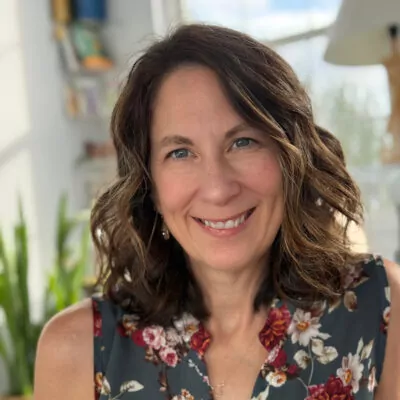
Before her stroke, Rachel Abbassi was a vibrant, driven woman who poured her heart and soul into her career as a marketing director. She thrived on the fast pace and constant challenges, always pushing herself to be better and rise higher. Work was her passion and purpose – she would arrive early, stay late, and think about work even when she was at home. Rachel was the epitome of a career-minded go-getter.
Then, one seemingly ordinary day, Rachel’s world turned upside down.
The Moment of Panic
While taking her dog outside, she suddenly realized she couldn’t form the words she was thinking. Panic set in as she struggled to communicate with her husband. In that moment, Rachel knew something was terribly wrong. Her husband rushed her to the hospital, where tests revealed she was having an active stroke.
The next hours were a blur as Rachel underwent emergency treatment, including a clot-busting medication that thankfully restored her ability to speak. But the relief was short-lived.
Undiagnosed and Misunderstood
Once the immediate crisis passed, Rachel started experiencing debilitating new symptoms – excruciating headaches, blurred vision, and a constant sense of dizziness and imbalance. Her doctors were baffled, unable to connect these lingering issues to her stroke.
For months, Rachel felt lost and alone, as specialist after specialist dismissed her symptoms. She fought back tears of frustration, feeling anxiety and depression set in.
The once-driven Rachel now struggled to get through each day, unable to work or even perform simple tasks. Her identity and purpose had been ripped away.
The Discovery She Needed
Just as Rachel was about to give up hope, she stumbled upon an article about vestibular disorders and their connection to stroke. Finally, she had found an explanation for her mysterious symptoms.
This discovery led her to a vestibular therapist who understood her condition and could provide targeted treatment. The therapist confirmed Rachel’s suspicions and provided her with therapy to manage her symptoms.
While the therapy didn’t “cure” Rachel, it gave her the tools to manage her symptoms and regain a sense of control.
Mourning Her Past Self
Transitioning to life as a medically retired stroke survivor has been an emotional rollercoaster for Rachel. She mourns the loss of her former self and career, yet finds solace in new creative outlets like painting and sewing.
Acceptance is Key
Rachel emphasizes the importance of self-acceptance, learning to pace herself, and tapping into support systems—both from her devoted husband and the vestibular disorder community.
Rachel’s hard-won wisdom is to keep moving forward, one small step at a time.
“Some days, I have to force myself to get out of bed, but I know I have to keep going,” she says. “The pain and challenges are real, but so is the possibility of growth and finding joy in the little things.”
Rachel’s story is a testament to the resilience of the human spirit and a beacon of hope for others facing the aftermath of a stroke.
Finding The Help She Needed
VeDA was a “saving grace” for Rachel.
When she first started experiencing the unexplained symptoms after her stroke, like debilitating headaches and visual disturbances, Rachel felt lost and misunderstood by her doctors.
It was an article published by VeDA about the visual challenges associated with vestibular disorders that finally provided Rachel with an explanation for her symptoms.
This VeDA article was a turning point for Rachel, as it led her to seek out a vestibular therapist who could properly diagnose and treat her condition.
VeDA’s Community Changed Everything
Beyond the emotional support, Rachel also found immense value in the VeDA community.
She attended the VeDA conference, which she described as a “week of enlightenment” where she could connect with and learn from others experiencing similar struggles. This sense of community was crucial, as Rachel had felt so alone in dealing with her “invisible illness” prior to finding VeDA.
Through VeDA, Rachel was also able to connect with another stroke survivor, David, who had faced vestibular issues. Being able to talk to someone who truly understood her experience was incredibly meaningful for Rachel, who had previously felt misunderstood by her medical team.
Why Resources Matter
VeDA provided Rachel with the information, resources, and community support that were pivotal in helping her navigate her post-stroke vestibular disorder. The organization was instrumental in Rachel finding the right diagnosis, treatment, and sense of belonging during a very isolating and challenging time.