Embracing the New Me
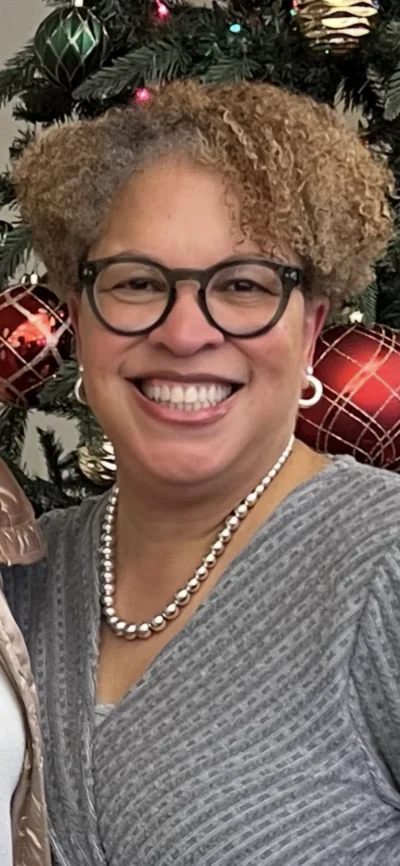
I’ve been part of the wonderful VeDA family for a few years, first through a support group and recently as a volunteer. I hope we can make “vestibular” a word people recognize and understand.
Before my diagnosis, I was an energetic, productive, Type A person. On my good days, I still am. I was a publishing production manager who coordinated with writers, editors, designers, and printers to keep projects moving and ensure they were published on schedule. The work was exciting and fulfilling, but also demanding and stressful.
In late 2017, I accepted a new job that required me to attend a week of training before I could begin working. The training involved air travel. Although I had the flu, I was told the offer could be withdrawn if I missed training. So, I went, along with my Kleenex and NyQuil. Each day, I attended class, went to bed early, and counted the days until I was heading home.
When I returned home, the flu started to fade, but fatigue, dizziness, and brain fog began. I also felt like I was swaying and anxious. I commuted an hour each way to work and stayed in one lane as much as possible because it reduced my symptoms. After work, I was exhausted, crawled into bed for the night, and repeated the next day. This went on for a few weeks. Feeling so unwell and learning a new job took a toll on me.
After several appointments and repeated Epley maneuvers that made me dizzier, I pushed for answers and saw a neurologist. I was first diagnosed with Vestibular Neuritis and was sent for more testing. Within a month, I went on sick leave, then short- and long-term disability without FMLA. Around the three-month mark, I was terminated from the job.
After months of more appointments with doctors, specialists, and tests, I was diagnosed with Vestibular Migraine and Persistent Postural Perceptual Dizziness (PPPD). In 2018, I medically retired from my 30-year publishing career.
My husband has been supportive, but adjusting to life without working was not easy for me. I thought I’d get better but soon realized that this was my new normal. I had to grieve the “old me” and somehow embrace the “new me,” whoever that was. I had to find new ways of doing things because it seemed like everything took longer because I fatigued easier due to overstimulation to my eyes and brain. Scrolling on my phone and computer was torture. I learned that with vestibular issues, we fatigue easily because our brain is trying to keep our body upright all day. No one I knew understood, so I felt alone until I found my tribe, a VeDA support group. My group helps with acceptance and tips for living. We share, laugh, cry, celebrate, and genuinely support each other.
I encourage others to trust what they know about their own bodies and keep seeking answers when something feels wrong or “off.” Be your own advocate. Others may say you don’t “look” sick and that your test results are normal, but we know you don’t have to look sick to be sick. Also, look at your family history for clues and to see if migraines were present.
Today, I manage these invisible disorders with medications, VeDA support group meetings, vestibular rehab, cognitive behavioral therapy, rest, and intentional pacing of my activities. I hope to help build a bridge between the vestibular and medical communities so others are diagnosed sooner. My faith in God continues to bless and anchor me as I manage my conditions and experience fewer symptomatic days so I can live the life I choose to live on my terms.