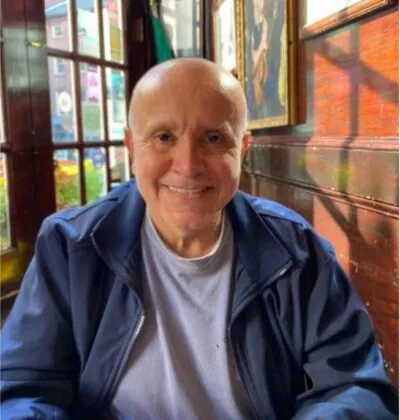
Recientemente se me diagnosticó con migrañas vestibulares. Mientras todavía aprendo a sobrellevar esta condición, me he dado cuenta de que existe muy poca información y casi ningún grupo de apoyo en español. Adaptarnos a esta nueva realidad ha impactado tanto a mí como a mi esposa y nuestros tres hijos. A veces me he sentido desesperado, frustrado y abrumado. Mi esposa me ayudó a encontrar VeDA y sus grupos de apoyo, pero rápidamente noté que solo había un grupo “bilingüe”. Aunque manejo ambos idiomas, buscaba un espacio donde pudiera compartir mi trasfondo cultural. Al intentar hallar un grupo de habla hispana, no tuve éxito. Por eso quiero crear un grupo de apoyo en español para personas con migrañas vestibulares y así cerrar esta brecha en la atención a pacientes hispanos.
Muchos pacientes no cuentan con recursos en su idioma y deben afrontar sus síntomas sin una guía clara, lo que aumenta el aislamiento respecto a médicos y otros pacientes. Al ofrecer un grupo para que los hispanohablantes compartan experiencias, hagan preguntas e intercambien estrategias de resistencia basadas en la evidencia, creamos una red de apoyo vital que valida sus experiencias.
El grupo es un espacio de apoyo donde los miembros podrán compartir y aprender juntos en su propio idioma. El grupo conversará sobre formas de identificar desencadenantes, cambiar dietas, hacer ejercicios útiles y tratar el estrés, todo en un idioma materno, sencillo y cotidiano. Al compartir este conocimiento, los miembros se sentirán seguros manejando sus síntomas, menos ansiosos por posibles problemas y menos solos en sus experiencias. En general, el grupo desea transformar las luchas personales en una red que ofrezca esperanza, consejos prácticos para personas que a menudo son ignoradas.
Having recently been diagnosed with Vestibular Migraines—and knowing little about this condition as I learn to cope—I’ve noticed there are very few support groups available in Spanish. Adjusting to this “new reality” has been shocking for me, my wife, and our three sons. At times, I’ve felt desperate, frustrated, and overwhelmed by the situation. My wife helped me find Veda and its support groups, but I quickly realized there was only one “bilingual” group, and although I am bilingual, I wanted to find a group that shared my cultural background. I then tried to find a Spanish-language group, but had no luck. I want to start a Spanish-language support group for individuals with vestibular migraines to address this gap in patient care. Many Hispanic patients lack resources in their native language and must manage complex symptoms without clear guidance, which can lead to feelings of isolation from healthcare providers and peers.
By providing a forum for Spanish speakers to share experiences, ask questions, and exchange evidence-based coping strategies, we create a vital support network that bridges the language barrier and validates their experiences. The group will grow into a supportive space where members can share and learn together in their own language. The group will discuss ways to identify triggers, change their diets, do helpful exercises, and manage stress, all in simple, everyday language. By sharing this knowledge, members will feel confident handling their symptoms, less anxious about potential issues, and less alone in their experiences. Overall, the group will transform personal struggles into a network that offers hope, practical advice, and a stronger voice for people who are often overlooked.