Recovery didn’t mean becoming who I was before. It meant learning how to live fully as the person I am now.
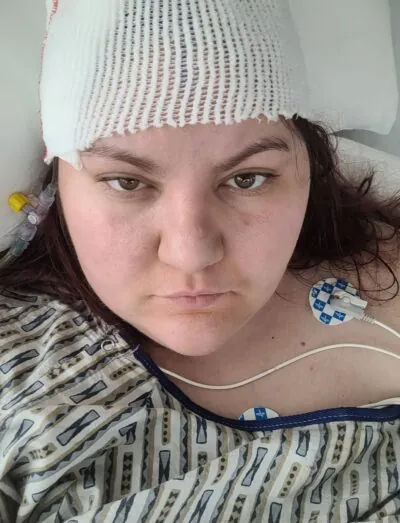
In June 2024, my life changed when I was diagnosed with a very large acoustic neuroma, also known as a vestibular schwannoma. Before my diagnosis, I was experiencing dizziness, vertigo, balance problems, and other symptoms that I never imagined would lead to the discovery of a brain tumor.
My tumor was large enough to cause serious complications, including obstructive hydrocephalus. I underwent two major brain surgeries in August 2024. What followed was much more than recovering from surgery. I experienced serious complications and ultimately spent months in hospitals and rehabilitation facilities.
One of the biggest parts of my recovery was learning how to move through the world again. Balance had once been something I never thought about. Suddenly, standing, walking, navigating stairs, and simply feeling steady became challenges. I had to relearn how to walk and slowly rebuild strength and independence through rehabilitation.
The acoustic neuroma and its treatment also left me with right-sided facial paralysis and complete hearing loss in my right ear. Losing hearing on one side added another layer to my balance and difficulties. Everyday environments could suddenly feel completely different.
Recovery has not been a straight line. I have continued to adapt to lasting balance limitations while also undergoing additional treatment for my residual tumor, including Gamma Knife radiosurgery, as well as facial reanimation surgeries for my facial paralysis. I now use BiCROS hearing aids to help me navigate life with single-sided deafness.
There have been incredibly difficult moments, but I have also reached milestones that once seemed impossible. I went from being unable to walk independently to regaining much of my independence and learning how to live in a body that works differently than it did before.
One of the most meaningful things I have done with my experience was write and publish my book, Surviving an Acoustic Neuroma: Facial Paralysis, Recovery, and Relearning Life. I wrote it because when I was going through the hardest parts of recovery, I wanted to know what life could actually look like afterward. I wanted another patient to be able to find the kind of honest, personal account I had needed.
My vestibular journey has taught me that recovery does not always mean returning to exactly who you were before your diagnosis. Sometimes recovery means adapting, rebuilding, and discovering what you are capable of in a life that looks very different from the one you expected.
If someone is at the beginning of this journey, I want them to know that progress can happen slowly enough that you don’t always notice it while it is happening. The things that feel impossible today may not always feel impossible. Keep noticing the small victories. They add up.